EPR Registration for Plastic Waste in India
With growing concerns about environmental sustainability, the Government of India has introduced several regulations to manage plastic waste effectively. One of the most important initiatives is Extended Producer Responsibility (EPR) Registration under the Plastic Waste Management Rules, 2016.
EPR registration ensures that producers are responsible for the collection, recycling, and environmentally sound disposal of the plastic waste generated by their products. This framework applies to manufacturers, importers, and brand owners dealing with plastic packaging or plastic products in India.
99%
Success Rate
1000+
Certifications
32+
Locations served services
20+
Years Expertise
Get Free Expert Consultation
What is EPR Registration?
Extended Producer Responsibility (EPR) is an environmental policy that holds producers accountable for the entire lifecycle of their products, especially after the products become waste.
Under Indian regulations, businesses dealing with plastic products must obtain EPR registration and establish a robust system to collect, segregate, and recycle the plastic waste generated from their goods. This system ensures that plastic packaging is managed scientifically, minimizing pollution.
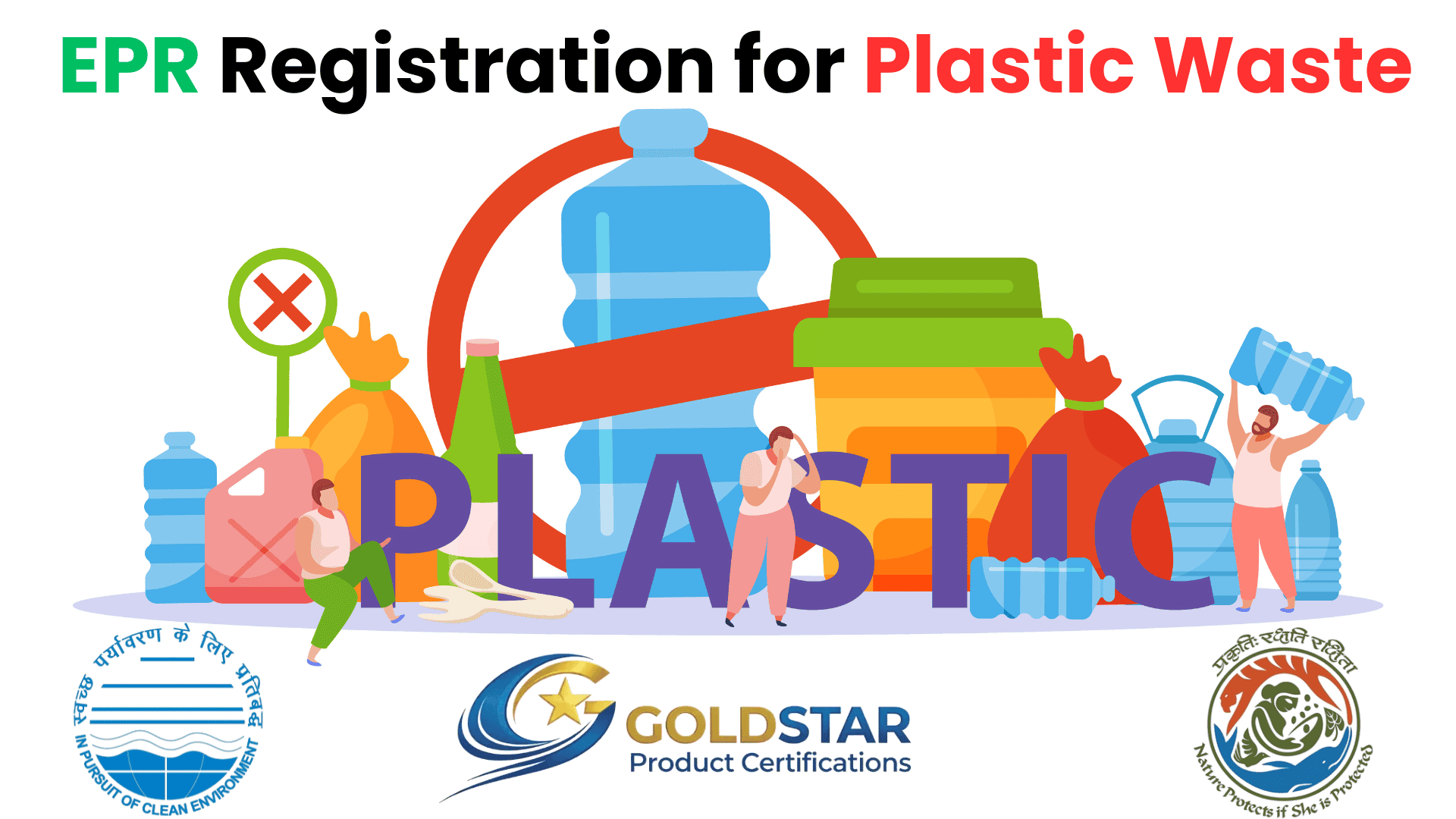
Importance & Benefits of EPR Registration
EPR registration plays a vital role in sustainable waste management and offers significant advantages to businesses:
Regulatory Compliance
Ensures better compliance with environmental laws, standards, and government norms.
Waste Reduction
Reduces plastic waste by making producers strictly responsible for post-consumer waste.
Environmental Protection
Ensures scientific disposal and reduces overall environmental impact.
Brand Reputation
Improves brand reputation and trust among environmentally conscious consumers.
Operational Efficiency
Leads to higher operational efficiency by streamlining waste handling processes.
Market Access
Provides access to new markets where strict environmental compliance is mandatory.
How Does the EPR Registration System Work?
The EPR process for plastic waste management generally involves the following key steps:
Registration
Producers, importers, and brand owners must register under the EPR framework by providing details of their plastic products, packaging material, and estimated waste generation.
Collection & Segregation
Producers must establish a mechanism for the collection and segregation of plastic waste, either through their own systems or by engaging authorized collection agencies.
Recycling & Disposal
The collected plastic waste must be securely recycled or disposed of through authorized recyclers in an environmentally sound manner.
Annual Reporting
Registered entities must submit annual reports to the Central Pollution Control Board (CPCB) detailing the quantity of plastic introduced into the market, collected, and recycled.
Compliance Check
Continuous monitoring is required. Failure to comply with EPR regulations may result in penalties, cancellation of registration, or other legal action.
Documents Required for EPR Registration
For Sole Proprietorship, LLP, and Partnership Firms
- GST Certificate
- PAN Card
- IEC Certificate
- Authorized Signatory details (Aadhaar, PAN, designation, contact number)
- EPR Plan document
- Product details in Excel format
- Sales data for the previous five years (if products are sold in the Indian market)
For Private Limited and Public Limited Companies
- GST Certificate
- Certificate of Incorporation
- Memorandum of Association (MOA)
- PAN Card
- IEC Certificate
- Authorized Signatory details
- EPR Plan document
- Product details in Excel format
- Sales data for the previous five years (if products are sold in the Indian market)
- Board Resolution/Declaration for Authorized Signatory
Role and Responsibilities of Producers
Under EPR authorization, producers must provide the following information:
- Registered business address
- Official email ID
- Toll-free number or customer helpline number
Producers are also strictly responsible for:
- Establishing a proper collection channel for plastic waste
- Coordinating with distributors and authorized service centers for waste collection
- Ensuring proper storage, treatment, and disposal of waste
- Following pre-treatment requirements in the case of hazardous waste, as per government guidelines
Timeline for EPR Registration
The usual processing time for EPR registration is 20 to 25 working days, subject to document verification and approval by the authorities.
Validity and Renewal
EPR authorization is generally valid for two years. After expiry, it can be renewed as per the applicable regulations by submitting the required reports.
EPR registration for plastic waste is an important compliance requirement for businesses dealing with plastic products in India. It not only helps companies meet legal obligations but also promotes responsible waste management, recycling, and environmental sustainability. By obtaining EPR registration, businesses can strengthen their market reputation while contributing to a cleaner and greener future.
Let's Talk About Product Certification
Gold Star has experienced BIS certification consultants who are committed to providing reliable compliance services across India. We guide you at every stage of the certification process and help you understand the exact requirements your product must meet to enter the Indian market and build a strong, trusted customer base.