EPR Registration for Electronic Waste in India
Electronic waste (e-waste) has become a major environmental concern due to rapid technological advancements and the increasing use of electronic devices. Improper disposal of e-waste can lead to serious environmental pollution, affecting soil, water, and human health. To address these challenges, the concept of Extended Producer Responsibility (EPR) has been introduced.
EPR ensures that manufacturers, importers, and brand owners are responsible for managing the disposal of their electronic products once they reach the end of their lifecycle. In India, obtaining EPR registration for electronic waste is mandatory under the e-Waste (Management) Rules, 2016.
99%
Success Rate
1000+
Certifications
32+
Locations served services
20+
Years Expertise
Get Free Expert Consultation
What is EPR for Electronic Waste?
Extended Producer Responsibility (EPR) is a regulatory framework that makes producers accountable for the entire lifecycle of electronic products, including their collection, recycling, and environmentally safe disposal.
The primary objective of EPR is to promote a circular economy, where waste is minimized, and resources are reused efficiently. It ensures that electronic waste is handled in a safe and sustainable manner.
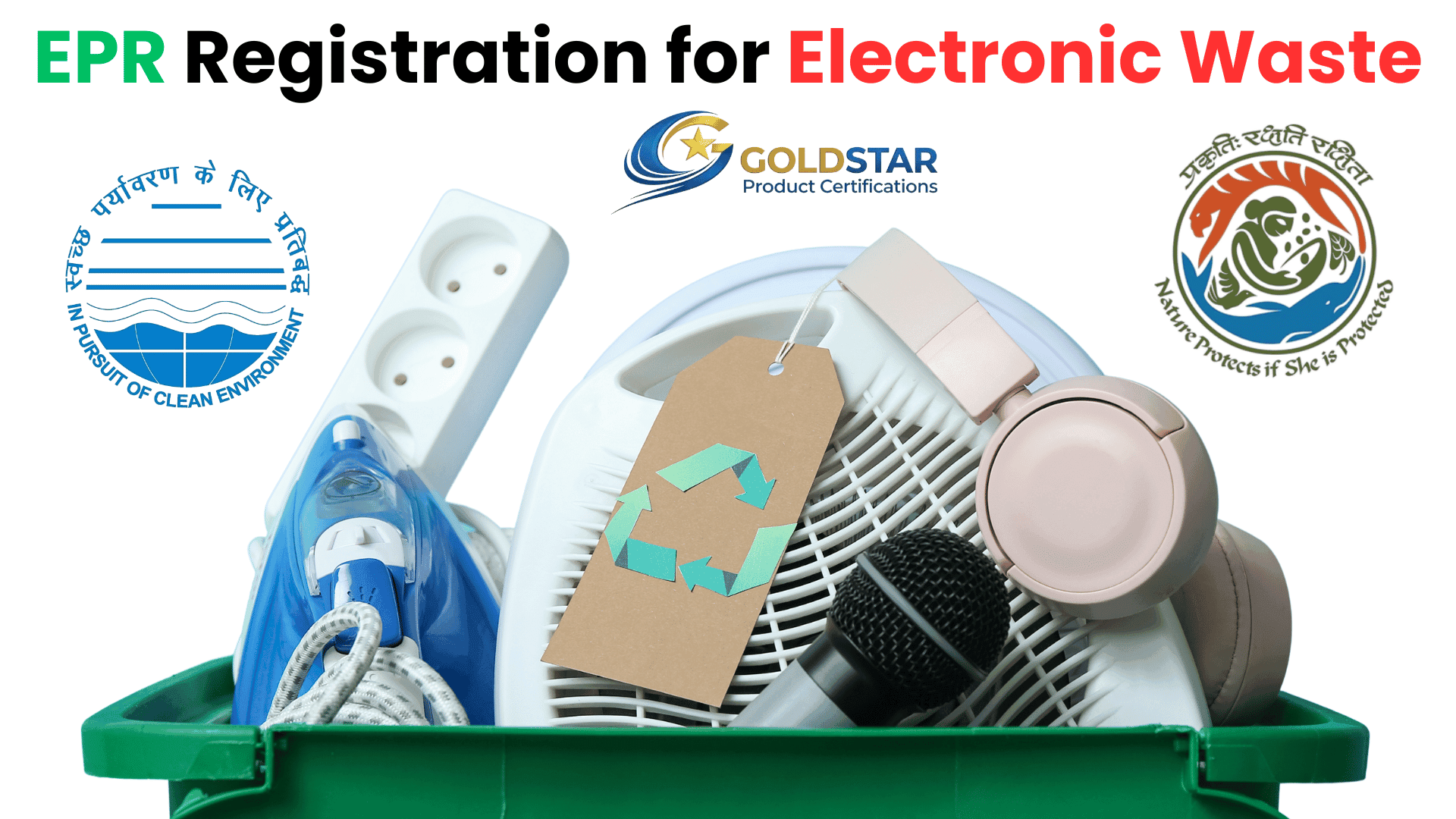
Benefits of EPR Registration for Electronic Waste
The EPR program offers several important advantages:
Reduction in e-waste generation
Safe handling of hazardous materials
Promotion of recycling and resource efficiency
Support for circular economy practices
Job creation in the recycling sector
Improved environmental sustainability
Enhanced corporate responsibility and compliance
EPR Registration Process for Electronic Waste
The Central Pollution Control Board (CPCB) is the regulatory authority responsible for implementing the EPR program in India. The registration process involves the following steps:
Identification of Producers and Importers
Companies involved in manufacturing or importing electronic goods must register with CPCB by providing details such as company name, address, contact information, and product categories.
Preparation of EPR Plan
Producers must develop an EPR plan outlining how they will manage e-waste generated from their products. The plan should include: Types and quantities of electronic products, Collection mechanisms and drop-off points, Details of authorized recyclers, Transportation and storage processes, Financial arrangements for waste management, Awareness and training programs.
Submission and Approval
The EPR plan must be submitted to CPCB for review. The authority may suggest modifications before granting approval.
Implementation
Once approved, producers must implement the EPR plan by establishing systems for collection, transportation, recycling, and disposal of e-waste in an environmentally sound manner.
Documents Required for EPR Registration
For Sole Proprietorship, LLP, and Partnership Firms
- GST Certificate
- PAN Card
- IEC Certificate
- Authorized Signatory details (Aadhaar, PAN, designation, contact number)
- EPR Plan document
- Product details in Excel format
- Sales data for the previous five years (if applicable)
For Private Limited and Public Limited Companies
- GST Certificate
- Certificate of Incorporation
- Memorandum of Association (MOA)
- PAN Card
- IEC Certificate
- Authorized Signatory details
- EPR Plan document
- Product details in Excel format
- Sales data for the previous five years (if applicable)
- Board Resolution/Declaration for Authorized Signatory
Roles and Responsibilities of Producers
Under EPR authorization, producers must:
- Provide company address, email ID, and customer helpline/toll-free number
- Establish efficient collection channels for e-waste
- Coordinate with distributors and authorized service centers
Additional responsibilities include:
- Ensure proper storage, transportation, and disposal of e-waste
- Comply with pre-treatment requirements for hazardous components
- Work only with authorized recyclers and dismantlers
Timeline for EPR Registration
The typical processing time for EPR registration is 20 to 25 working days, depending on document verification and approval.
Validity and Renewal
EPR authorization for electronic waste is valid for five years. It can be renewed upon expiry as per regulatory requirements.
EPR registration for electronic waste is a crucial compliance requirement for businesses dealing with electronic products in India. It ensures responsible waste management, reduces environmental impact, and promotes sustainable practices. By implementing EPR, organizations not only meet legal obligations but also contribute to building a cleaner, greener, and more sustainable future.
Let's Talk About Product Certification
Gold Star has experienced BIS certification consultants who are committed to providing reliable compliance services across India. We guide you at every stage of the certification process and help you understand the exact requirements your product must meet to enter the Indian market and build a strong, trusted customer base.