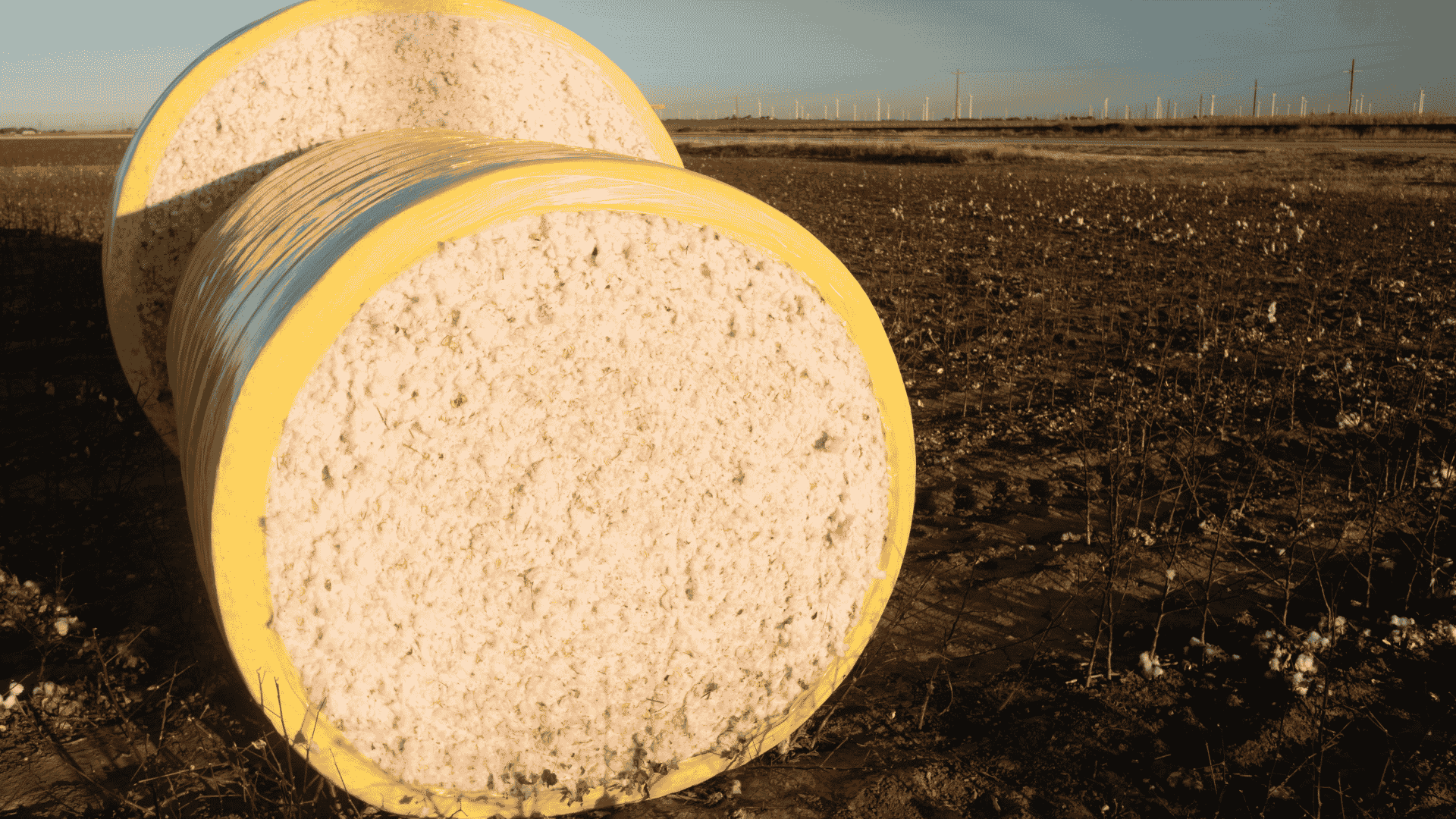
Cotton Bales Quality Control Order, 2023: Understanding the Government's Decision to Revoke It
India's cotton industry has witnessed a pivotal policy shift with the Ministry of Textiles issuing Gazette Notification S.O. 2956(E) on 9 June 2026, formally revoking the Cotton Bales (Quality Control) Order, 2023. This decision, taken in consultation with the Bureau of Indian Standards (BIS) and in public interest, marks a significant departure from the quality compliance framework that had governed cotton bales in India for over three years. For manufacturers, traders, processors, and exporters across the cotton value chain, understanding the full implications of this withdrawal is essential for navigating the road ahead.
Background: What Was the Cotton Bales QCO?
The Cotton Bales (Quality Control) Order, 2023 was originally introduced through Notification S.O. 948(E) dated 28 February 2023 and came into effect on 1 March 2023. The Order was part of India's broader Quality Control Order (QCO) framework — a regulatory mechanism through which the Central Government mandates that specific products conform to designated Indian Standards and obtain BIS certification before they can be manufactured, stored, sold, or traded in the country.
In the context of cotton bales, the QCO was designed to bring uniformity to quality standards across the industry. Cotton bales, being a foundational raw material for the textile sector, were considered critical enough to warrant mandatory compliance with prescribed Indian Standards. The intent was to ensure that the cotton supplied to spinning mills, processors, and exporters consistently met quality benchmarks, thereby improving the overall competitiveness of India's textile supply chain.
However, the road to full implementation was far from smooth. Since its introduction, the Order was amended multiple times — in August 2023, August 2024, and again in July 2025 — reflecting the persistent challenges in rolling it out effectively across a sector as vast and fragmented as India's cotton industry.
What the New Notification Says
The Ministry of Textiles has now brought this regulatory chapter to a close. The Gazette Notification issued on 9 June 2026 categorically states that the Cotton Bales (Quality Control) Order, 2023 stands revoked with immediate effect. The decision was taken by the Central Government after consulting BIS and in the overarching interest of the public and the industry.
Importantly, the notification includes a saving clause — a standard legal provision that ensures continuity and fairness in the transition. It explicitly states that any actions taken, obligations created, inspections conducted, approvals granted, or legal proceedings initiated under the now-revoked Order shall continue to remain valid. In simple terms, businesses that were already subject to compliance actions or ongoing regulatory proceedings under the QCO framework will not be absolved of those responsibilities simply because the Order has been withdrawn. Past compliance history and pending matters will be treated as if the Order were still in force for those specific cases.
Impact on the Cotton Industry
The revocation of the Cotton Bales QCO carries wide-ranging implications for stakeholders across the sector. Here is a closer look at how different segments of the industry are likely to be affected.
1. Relief from Mandatory Compliance Requirements
The most immediate effect is the removal of the obligation to comply with the BIS certification requirements that the QCO had imposed. Manufacturers and suppliers of cotton bales no longer need to obtain or maintain BIS certification under this framework, reducing both the procedural burden and associated compliance costs. For smaller cotton ginners and traders who had been struggling with the administrative demands of the QCO, this comes as a welcome relief.
2. Simplified Market Operations
Without the requirement for mandatory certifications, the movement and trading of cotton bales in domestic markets becomes considerably more straightforward. Traders and processors gain operational flexibility, and supply chain bottlenecks that were arising from certification delays or compliance gaps are likely to ease. This could translate into improved efficiency in procurement, processing, and distribution of cotton across the textile value chain.
3. Reduced Certification and Administrative Costs
For businesses that had already invested resources in working towards or maintaining QCO compliance — including costs related to testing, certification, documentation, and BIS licence fees — the withdrawal reduces the ongoing financial burden. Companies can redirect these resources towards other areas of business improvement, capacity building, or technology upgradation.
4. The Continuing Importance of Quality
While the regulatory mandate has been lifted, the commercial and competitive importance of maintaining quality standards remains unchanged. Export markets, particularly in Europe, the United States, and Southeast Asia, continue to demand high-quality cotton that meets international benchmarks. Buyers and spinning mills within India also have quality expectations that drive procurement decisions. Voluntary adherence to relevant Indian Standards, therefore, continues to be a sound business strategy, even in the absence of a mandatory compliance requirement.
Why Was the Order Withdrawn?
The notification does not spell out the specific reasons behind the government's decision. However, it is notable that the Order underwent as many as three rounds of amendments in under three years — a clear indication that implementation was not proceeding without friction. Industry observers point to several likely contributing factors: the sheer complexity of standardising quality across India's highly decentralised cotton production ecosystem, challenges faced by small-scale ginners in meeting BIS certification requirements, the absence of adequate testing infrastructure in several cotton-producing regions, and sustained feedback from industry stakeholders highlighting the practical difficulties of compliance.
The government's willingness to rescind the Order, rather than amend it once more, suggests a recognition that the policy was not achieving its intended outcomes in its current form and that a course correction was necessary.
What Businesses Should Do Now
The revocation does not signal that quality no longer matters — it signals that the mandatory mechanism for enforcing it has been removed. Cotton businesses should use this period to review their internal quality systems, continue voluntary compliance where it supports market access, and stay alert to any future regulatory developments. The government could revisit quality control measures for cotton bales in a revised form, and businesses that have robust quality practices in place will be better positioned to adapt.
Conclusion
The revocation of the Cotton Bales (Quality Control) Order, 2023 represents a significant policy recalibration for India's cotton and textile sector. While it brings immediate relief from mandatory compliance obligations, it also places greater responsibility on industry players to self-regulate and maintain quality standards driven by market demands rather than regulatory compulsion. As the dust settles on this decision, the cotton sector's long-term competitiveness will depend not just on regulatory frameworks, but on the industry's own commitment to quality, consistency, and continuous improvement.